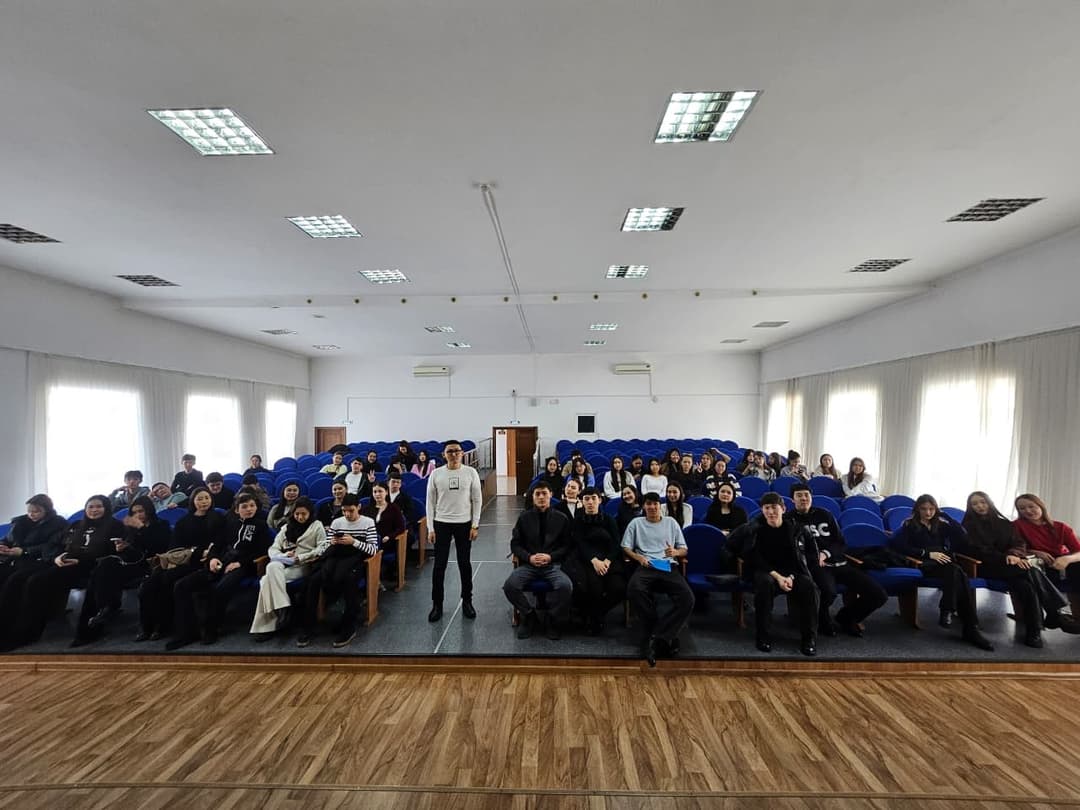
With a view to ensuring the safety of students and enhancing their legal literacy, a supervisory hour was organised for groups B-Tur 25/1 K (1, 2, 3, 4) on the topic "Prevention of Stalking and Protection of Personal Boundaries." During the event, students were informed about the types of harassment prevalent in contemporary society, the means of preventing them, and the importance of protecting personal boundaries.
During the meeting, the concept of "stalking" was examined in detail. Stalking refers to persistent surveillance, pursuit, or psychological pressure exerted upon a person without their consent. Such cases are widespread not only in offline environments but also on social media. The issue of cyberstalking among youth is becoming particularly pressing.
Students were given a detailed explanation of the concept of personal boundaries. Personal boundaries encompass an individual's personal space, time, feelings, and choices. It was noted that every person has the full right to say "no" and to protect their own safety. The importance of mutual respect and consent in relationships was underscored.
During the event, the psychological consequences of stalking were also discussed. It was explained that persistent anxiety and pressure can negatively affect a person's emotional state and cause feelings of fear, stress, and insecurity.
In addition, specific security recommendations were provided. In the online environment, the necessity of strengthening the privacy settings of personal pages was emphasised, along with the importance of not sharing personal information with strangers and ignoring suspicious messages. It was cautioned that in the event of a dangerous situation, it is essential to contact trusted persons or the relevant authorities. From a legal perspective, explanatory work was conducted, noting that infringement upon citizens' private lives entails liability under the law.
The tutorial hour was conducted in the format of an open exchange of views. Students shared their thoughts, asked questions, and discussed life situations. Such meetings contribute to the formation of legal culture among youth and the creation of a safe environment.